
Think of ghostwriters as stagehands in a theater. The spotlight shines on the actor, but the show would fail without the crew pulling ropes and setting the stage. Ghostwriters work the same way. They write the words, but the author gets the applause.
In 2025, their role is more vital than ever. The online world is louder than it has ever been. Every feed is packed with posts, blogs, and voices fighting for attention. Add the boom of personal branding and the rise of indie publishing, and the demand for ghostwriters becomes clear.
But many people still ask, what is ghostwriting? Some imagine shady deals or stolen ideas. The truth is simpler. Ghostwriting is about helping others tell their story when time, skill, or confidence is missing. For a deeper academic perspective, you can read this research on the ethics and perception of ghostwriting, which explores how the practice is viewed across industries.
This guide will break it all down. You’ll see how ghostwriting works today, why it thrives in the AI era, and what options you have if you need one. We’ll cover costs, agencies, and even the qualities that make a ghostwriter worth hiring.
By the end, you’ll know if ghostwriting is right for you in 2025.
Understanding Ghostwriting in Today’s World
Ghostwriting has been around longer than most people think, yet it’s still wrapped in mystery. To understand why it matters in 2025, we first need to look at what it really is and why it continues to thrive.

What Does Ghostwriting Actually Mean?
So, what is ghostwriting? At its core, it’s simple. Someone provides the ideas, while a ghostwriter shapes those ideas into polished words. The author’s name goes on the cover, but the writer stays in the background.
The practice has deep roots. Famous leaders have relied on ghostwriters for centuries. Speeches that shaped history were often drafted by skilled but unseen hands. In modern times, business books, memoirs, and even viral articles are created the same way.
The word “ghost” throws people off. It suggests trickery or secrecy. But the truth is far less spooky. Ghostwriting is built on trust. The client shares their vision. The writer captures it with accuracy and style.
Why Ghostwriting Still Matters in 2025
You may ask, with all the tools around, why hire one now? The answer is simple. Authentic voices still matter more than auto-generated words.
Here’s why ghostwriting continues to thrive:
- Clarity of voice: Writers capture the true tone of the client.
- Time-saving: Busy leaders focus on work, not wordsmithing.
- Craft and polish: A ghostwriter knows how to hold a reader’s attention.
- Confidentiality: The process is discreet and professional.
- Impact: Great stories move people, and trained writers know how.
In 2025, the flood of generic content will only increase the value of skilled ghostwriters. People don’t just want words. They want stories that stick. And that is what ghostwriters deliver.
The Many Faces of Ghostwriting
Not all ghostwriting looks the same. Each form serves a need. Each form fits a voice and a goal. Let’s meet the cast at a lively table. We will explore the types of ghostwriting. Think personalities, not just formats.

Types of Ghostwriting
Ghostwriting wears many faces, each serving a unique purpose. From books that capture a lifetime to quick digital pieces that keep brands visible, every type has its own role to play.
Books and Memoirs
Books are the wise guest with a suitcase. They bring depth and time. They chase legacy and truth. Memoirs sit close, sharing scars and light. These projects take months. They need trust, patience, and careful notes. Think celebrity stories. Think of founders mapping a life. Think families preserving history.
If you’re exploring memoir writing, check out our guide on memoir ghostwriting to see how professionals turn real-life experiences into powerful narratives. It’s a great starting point for anyone who wants to preserve memories with meaning.
Articles and Thought Leadership
Articles is the sharp dresser with a strong handshake. They speak to markets and ideas. CEOs love this lane. So do rising founders. These pieces fuel LinkedIn and the trade press. They build trust with a steady cadence. Each post carries a clear stance. Each line must sound like the leader.
Speeches and Scripts
Speeches are the confident voice at the head of the table. They live for rooms and stages. Think policy talks and earnings calls. Think TED talks with tight arcs. Think podcast intros that hook fast. Timing matters here. So does rhythm and pause. Delivery makes or breaks the script. A good speech reads like music.
Digital Content
Digital is the quiet workhorse passing plates. They keep a brand alive online. Blogs explain. Emails nurture. Whitepapers persuade with proof. Case studies show wins with facts. This is where scale meets skill. Voice still leads the way. Invisible, yes. But vital for growth and trust.
Here’s a quick comparison for easy scanning:
| Type of Ghostwriting | Best For | Typical Length | Tone/Style | 2025 Trend |
| Books/Memoirs | Authors, Celebrities | 40k–80k words | Narrative, Emotional | AI-assisted outlining |
| Articles/Thought Leadership | Entrepreneurs, CEOs | 800–2,000 words | Authoritative, Insightful | LinkedIn domination |
| Speeches | Politicians, Executives | 10–20 mins | Persuasive, Inspirational | TEDx revival |
| Digital Content | Brands, Startups | 500–1,500 words | Conversational, SEO-driven | AI + human blend |
Each lane asks for a different toolkit. Each lane rewards a different cadence. Together, they form a complete strategy. That is the power of form and fit. That is how the types of ghostwriting serve real goals.
How Ghostwriting Works: Step-by-Step Process
Picture a relay race on a bright track. The client holds the idea baton. The writer runs each leg with care. The finish line is a polished manuscript. Many still ask, What is ghostwriting in practice today? Here is the race, stage by stage.

1) Idea Extraction
First comes discovery. The writer asks smart questions. They record calls and collect notes. They review past talks, posts, and drafts. They map themes and gaps. The goal is voice, facts, and focus.
Want a deeper look at this process? Read our guide on From Idea to Manuscript: The Ghostwriting Process Explained. It covers the tools, timelines, and checklists used by professionals, plus common pitfalls and how to avoid them.
2) Outline Creation
Now the route takes shape. The writer builds a clear outline. Each chapter serves a purpose. Each section supports the core idea. The outline gets sign-off before drafting. This step saves time later.
3) Drafting in Your Voice
The writer now writes in your voice. Not theirs. They match tone, pace, and word choice. They weave stories with proof. They balance data with feeling. A chapter draft arrives on schedule. The relay keeps moving.
4) Feedback and Revisions
You review with clear notes. You mark lines to keep or cut. The writer revises with intent. They protect the voice while fixing issues. Loops continue until the story lands. This stage builds trust and shape.
5) Polishing and Publication Prep
Final edits tighten the prose. Style and facts get rechecked. The writer handles citations and figures. A proofreader scans for errors. You receive a clean final file. Next steps may include agents or designers, bringing your project one step closer to publication and ensuring your story is ready to share with the world.
Ghostwriting vs. Co-authoring
Ghostwriting and co-authoring often get confused. Both bring another writer into the mix. But the role and spotlight are very different.
Think of a ghostwriter as a silent ninja. They slip in, do the work, and vanish. The client’s name shines alone. The voice belongs only to the credited author. The ghost remains unseen.
Now think of a co-author as a buddy cop. Both names go on the cover. Both voices shape the pages. The partnership is public and equal. Readers know the book had two minds.
So how do you choose? It depends on your goals.

Pros of Ghostwriting
- Clean, single voice for readers.
- Full credit goes to you.
- Efficient when time is short.
- Best for many types of ghostwriting, like memoirs, blogs, and speeches.
Cons of Ghostwriting
- You need to trust your writer.
- Less recognition for the ghost (but that may be the goal).
Pros of Co-authoring
- Shared workload.
- Two voices can add depth.
- Easier for technical or research-heavy books.
Cons of Co-authoring
- Shared credit, not solo.
- Risk of clashing styles.
- Requires strong collaboration skills.
Choosing between the two is about control and vision. Do you want a book that is fully yours in voice and credit? Or do you want to share the spotlight and share the load?
For a deeper dive, read Ghostwriting vs. Co-authoring: What’s Best for Your Story. It breaks down scenarios where each approach wins.
Why Hire a Ghostwriter in 2025?
You’re busy building empires, not polishing commas. You’re leading a company, raising funds, or running a brand. Finding hours to craft a book, blog, or speech is almost impossible. That’s where ghostwriters come in. But many still wonder, what is ghostwriting worth in practice? The value is clearer once you see the benefits.
Here are the top reasons to hire one today:

1. Save Time
You may have the ideas, but not the hours to write. Drafting a book or even a steady stream of blogs can drain your schedule. A ghostwriter takes on the work, freeing you to focus on running your business or brand. Your story still gets told, but without the late nights at a keyboard.
2. Find Your True Voice
Many people worry about sounding stiff or too formal in writing. A ghostwriter listens closely to your natural way of speaking. They then shape words that sound authentic, so readers feel they’re hearing directly from you. This ensures your voice shines through every line.
3. Turn Messy Thoughts into Clean Drafts
Great ideas often start as scattered notes or half-formed thoughts. Ghostwriters know how to take those fragments and build clear, structured drafts. They transform mind maps, recordings, or conversations into polished work. The result is something ready for readers, not just your notebook.
4. Stay Consistent
Consistency is key in publishing and branding. Missed posts or half-finished chapters weaken your presence. A ghostwriter keeps the words flowing on schedule, whether it’s weekly blogs, regular articles, or steady progress on a book. That rhythm keeps your audience engaged.
5. Bring Expertise in Structure
Books need strong arcs, articles need sharp hooks, and speeches need rhythm. Ghostwriters bring craft knowledge that makes each format work. They understand pacing, tension, and flow. This expertise ensures your message is not only heard but remembered.
6. Protect Confidentiality
Trust is the foundation of ghostwriting. Professional ghostwriters treat every draft and detail with discretion. Sensitive information, personal stories, or business strategies stay private. You get peace of mind knowing your words are safe.
7. Reach Publishing Goals Faster
Writing alone often takes years. With a ghostwriter, the process speeds up without losing quality. Many clients finish manuscripts months earlier than planned. Some even land agents or publishing deals because the work is polished from the start.
8. Stand Out in a Crowded Space
The digital world in 2025 is flooded with content. Generic writing blends into the noise. Ghostwriters help your story rise above with clarity and originality. They make sure your ideas catch attention instead of being overlooked.
9. Add Polish that AI Tools Can’t
AI can create quick drafts, but it can’t replace human touch. Ghostwriters add empathy, nuance, and storytelling flair that machines lack. They know when to use humor, when to pause, and when to dig deep. That polish makes all the difference in reader impact.
10. Build Your Brand and Legacy
Your words outlive your day-to-day work. Books, speeches, and articles build a long-term presence. A skilled ghostwriter helps shape this legacy with care. They make sure what you leave behind is worth reading, years from now.
Building a legacy through storytelling is one of the most powerful investments you can make. It allows future readers, clients, and even your own team to understand your vision long after the projects end. Discover why hiring a ghostwriter is one of the smartest ways to secure your brand’s future — from saving time to ensuring quality, their role goes far beyond writing.
Costs, Agencies, and Qualities to Look For
Before hiring a ghostwriter, it helps to know both the price ranges and the people behind the work. Let’s break down what to look for when choosing the right partner.
How Much Do Ghostwriters Charge in 2025
The price of ghostwriting depends on the scope. Writing a full book is very different from writing a blog or a keynote speech. In 2025, the range has widened. More freelancers are offering services. Agencies are busier than ever. And AI-assisted models are entering the market.
Here’s a look at common ranges:
- Books: $25,000 to $150,000+, depending on length and writer.
- Articles/Blogs: $300 to $2,000 per piece depending on expertise.
- Speeches: $1,000 to $10,000 based on length and profile of the speaker.
For a deeper look at rates and hidden costs, check out How Much Do Ghostwriting Services Cost in 2025.
Now, let’s compare the main service options side by side:
| Service Type | Average Cost (2025) | Pros | Cons | Best For |
| Freelancers | $5k–$25k | Flexible, affordable | Quality varies | Small projects |
| Agencies | $25k–$150k+ | Professional, structured | Higher cost | Big projects, books |
| AI-Assisted Ghostwriters | $2k–$10k | Fast, cost-efficient | Less nuance | Short-form, drafts |
This table shows there’s no one-size-fits-all. Freelancers suit smaller jobs or tight budgets. Agencies handle larger, high-stakes projects like memoirs or thought leadership books. AI-assisted writers may work for shorter content but lack human subtlety.
Top Qualities in a Great Ghostwriter/Agency
So, how do you know if a ghostwriter is worth the price? The best writers share a few standout traits:
Adaptability
A great ghostwriter can write in many voices. Think of them as a chameleon with an MFA. They match your tone, whether it’s corporate sharp or memoir warm.
Confidentiality
Trust is everything. Professional ghostwriters treat your ideas like a vault. They know your reputation is tied to every word.
Emotional Intelligence
Good writing needs empathy. A ghostwriter must feel the heart of your story. They catch the beats others might miss.
Professional Process
Agencies shine here. They use contracts, timelines, and reviews. Freelancers may vary. AI tools save time but can’t replace judgment.
Want more detail? Read Top Qualities to Look for When Choosing a Ghostwriting Agency. It breaks down traits to demand and red flags to avoid.
The Future of Ghostwriting in the AI Era
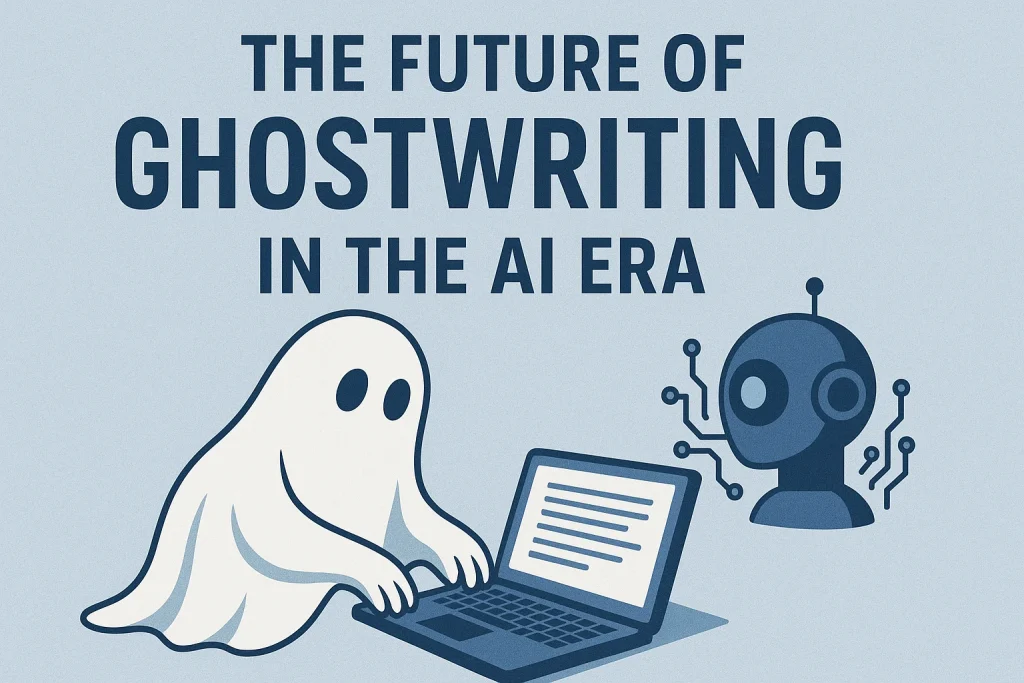
Ghostwriting in 2025 faces a new challenge. The world is flooded with synthetic text. AI tools can draft articles in seconds. Yet readers crave words that feel alive. This is where ghostwriters step in as voice protectors.
They don’t just write words. They guard tone, story, and authenticity. They make sure a client’s voice isn’t lost in the noise. In many ways, ghostwriters are the filter between raw ideas and real impact.
The Hybrid Model
The future isn’t AI or human. It’s both. Many ghostwriters already use AI for outlines or quick drafts. This saves time and lets them focus on craft. The client still gets work that feels personal, not robotic.
A hybrid process may look like this:
- AI suggests structure.
- The ghostwriter adds voice, nuance, and emotion.
- The client reviews and shapes the draft.
This model is efficient but still human-led. It keeps trust and style at the center.
Rise of Ghostwriting for Personal Branding
More professionals now treat personal brand as vital. Entrepreneurs, CEOs, and even doctors use ghostwriters for articles, blogs, and speeches. Building a personal brand with ghostwriting is becoming a powerful trend. Readers want leaders to sound authentic, not automated. Ghostwriters make that happen.
In short, the demand for invisible writers will only grow. As AI generates more filler content, human-led writing stands out even more. Ghostwriters of 2025 aren’t just scribes. They are guardians of voice in a world of noise.
Should You Hire a Ghostwriter in 2025?
So, after all this, is hiring a ghostwriter in 2025 wise? If you value your time, your story, and your brand, the answer leans strongly toward yes. Ghostwriters aren’t just behind-the-scenes scribes. They are trusted partners who capture your ideas and give them life.
We’ve walked through the basics what is ghostwriting, the many types of ghostwriting, and how the process works like a relay. We’ve looked at costs, agencies, and even the qualities that separate a good ghostwriter from a great one. Along the way, you’ve seen why ghostwriters remain vital in a world buzzing with AI text.
At the end of the day, ghostwriting is about connection. Your ideas deserve more than quick drafts. They deserve words that resonate, move, and last.
If you’re ready to turn your vision into a polished book, article, or brand story, reach out to Pixel Writing Studio. Our team of seasoned ghostwriters knows how to capture voices with precision and care. Whether it’s a memoir, a thought leadership series, or a keynote speech, we’ll help bring your story to life — while you focus on what you do best.
Your story matters. Let Pixel Writing Studio help you tell it.
Frequently Asked Questions
1. What is ghostwriting in simple terms?
Ghostwriting means hiring a professional writer to create content that carries your name. You provide the ideas, stories, or expertise, while the ghostwriter turns them into polished words.
2. What types of ghostwriting are most common today?
The most common forms of ghostwriting include books and memoirs, thought-leadership articles, speeches, and digital content such as blogs and whitepapers. Each format requires a different skill set, but all focus on capturing the client’s authentic voice.
3. How much do ghostwriting services cost in 2025?
Costs vary by project scope. Articles may cost $300–$2,000 each, while speeches range from $1,000–$10,000. Books often start at $25,000 and can climb past $150,000 with top agencies. AI-assisted ghostwriting is cheaper but lacks nuance.
4. How do I know if ghostwriting is right for me?
Ask yourself this: Do you have ideas worth sharing but no time to write? If yes, ghostwriting can help. It’s ideal for busy entrepreneurs, executives, or anyone wanting to publish a story or build a personal brand.
5. What qualities should I look for in a ghostwriter or agency?
Look for adaptability, confidentiality, emotional intelligence, and a strong process. A skilled ghostwriter can slip into your voice like a chameleon while protecting your story and reputation.


