
Have you ever wondered what the Amazon Kindle really is…beyond the buzzword of eReaders and digital books? In this blog, we’ll take a human-friendly look at what Kindle means, how it works, and why so many readers are hooked.
Kindle in Simple Terms
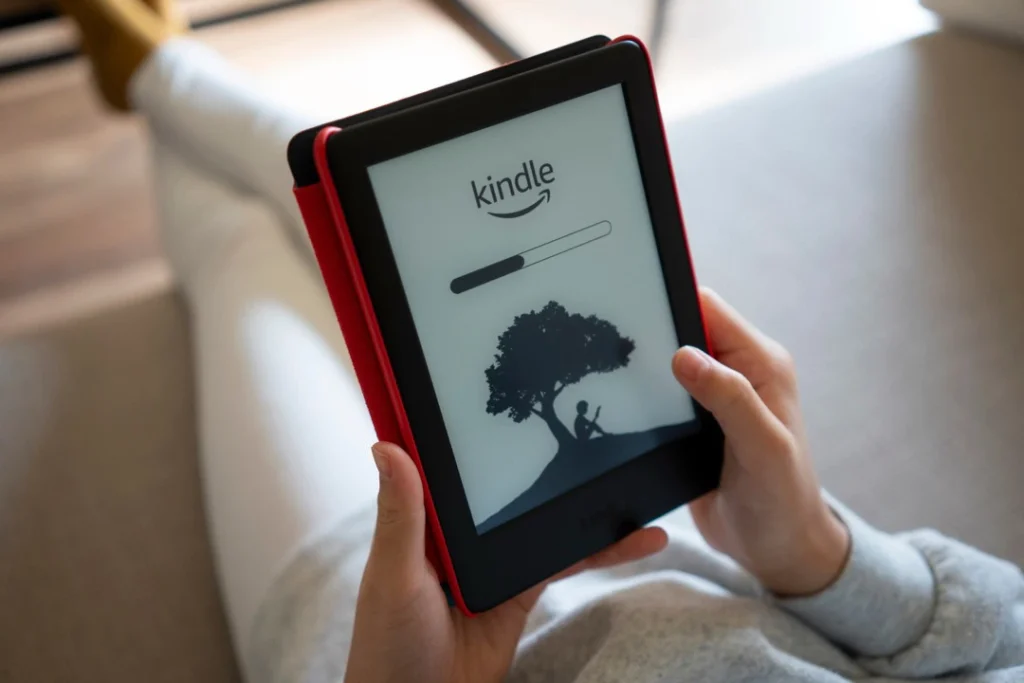
Amazon Kindle is a series of devices (and accompanying apps) that let you buy, download, and read eBooks, magazines, newspapers, and other digital content.
Imagine having hundreds or thousands of books in a slim handheld gadget (or smartphone app) that you carry with you; kind of like a mini-library in your bag.
Key features
- The screen technology (especially on the eReader models) uses “E Ink” to mimic printed paper, meaning less glare and easier on the eyes when reading outdoors or for long stretches.
- It connects to Amazon’s Kindle Store so you can browse and purchase titles and instantly download them.
- Apps: Beyond the physical Kindle device, Amazon offers Kindle apps on phones, tablets, and computers, so you don’t necessarily need a dedicated Kindle device to read.
Why Do People Choose Kindle?
Reading a physical book is great, but Kindle offers some advantages worth noting:
- Portability: Carry dozens of books without the weight.
- Instant access: As soon as you buy a book, you can start reading.
- Adjustable settings: Font size, lighting, and even background (on newer models) can be customized.
- Syncing: If you switch devices (phone ↔ e-reader), your place in the book, bookmarks, and highlights often follow you.
- Variety of content: Books, magazines, newspapers, and sometimes audiobooks or integrated features.
These benefits often come up in user discussions, like on Quora, where people share how Kindle changed their reading habits (better portability, easier reading in bed, less bulk). While these aren’t direct quotes, the general consensus supports those advantages.
Things to Consider
Kindle is super handy, but it also comes with trade-offs.
- Ecosystem lock-in: Kindle uses Amazon’s format and store, which means you’re largely buying from Amazon instead of being totally free in format or store choice.
- Costs: The device (if you buy hardware) costs money. Also, e-books might still cost near to physical books in many cases.
- Device v. app: If you read mainly on your phone, the experience might differ from a dedicated e-reader (battery life, screen comfort, etc.).
- Format and sharing limitations: While Amazon supports many formats, some non-Amazon eBooks or library loans may work differently or need conversions.
Is Kindle a Device or a Service?
Both. The term “Kindle” refers to:
- A hardware product line: the eReader devices that Amazon sells (Kindle, Kindle Paperwhite, Kindle Oasis, etc.).
- A software/service side: the Kindle Store, Kindle apps, and the ecosystem of buying and reading digital content.
So when someone asks, “What is Kindle?” you might want to clarify: Are we talking about the eReader device or the broader Kindle reading platform?
Final Thoughts
Simply put, Kindle is Amazon’s vision of how reading can evolve in the digital age, leveraging technology to make reading more convenient, portable, and flexible. If you already love reading, a Kindle (device or app) can elevate that habit. If you’re not sure yet, you can test the app version without buying hardware first.
In short, yes, Kindle changes how you read, but at its heart, it still delivers the same core joy: diving into stories, ideas, and knowledge, just in a more modern package.
You’ve got the book now… let’s make sure people read it. If you need help or have questions, feel free to reach out.


